
Introduction:
On November 24-25, 2025, the “Beijing CRT/CSP Training Program” was successfully held at Fuwai Hospital, Chinese Academy of Medical Science (CAMS). Focused on advancing core CRT and CSP technologies and standardizing their clinical application, the program was led by Professor Fan Xiaohan, a renowned expert in pacing and electrophysiology. It enjoyed strong support from Professor Yao Yan, Director of the Arrhythmia Center at Fuwai Hospital and President of the Asian Heart Rhythm Association (ACAS), and Professor Hua Wei, Chairman of the Chinese Society of Pacing and Electrophysiology (CSPE). Together with other leading experts, they designed a comprehensive curriculum integrating cutting-edge theoretical lectures with live procedure demonstrations. Young physicians and head nurses from Bangladesh, Malaysia, and Macau, China, gathered for in-depth study on procedural techniques and clinical challenges. This initiative has injected fresh momentum into enhancing the standardization of interventional arrhythmia diagnosis and treatment across the Asia-Pacific region.
Grounded in Theory, Guided by Evidence: A Systematic Deep Dive into Core CRT/CSP Knowledge
The training program commenced on November 24 to a warm welcome. Professor Yao Yan, Hua Wei, and Fan Xiaohan delivered opening remarks, extending a welcome to young electrophysiologists from China and abroad. They encouraged attendees to solidify their technical foundations and strive for a significant leap in their clinical capabilities within CRT and CSP.
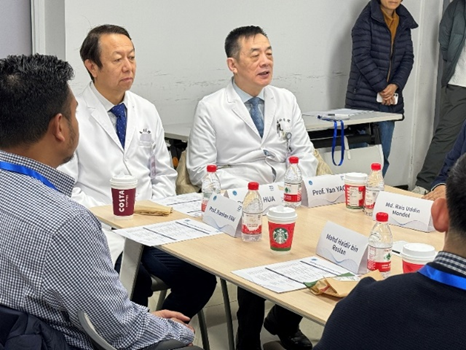
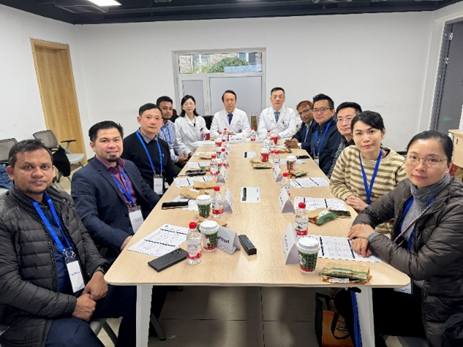
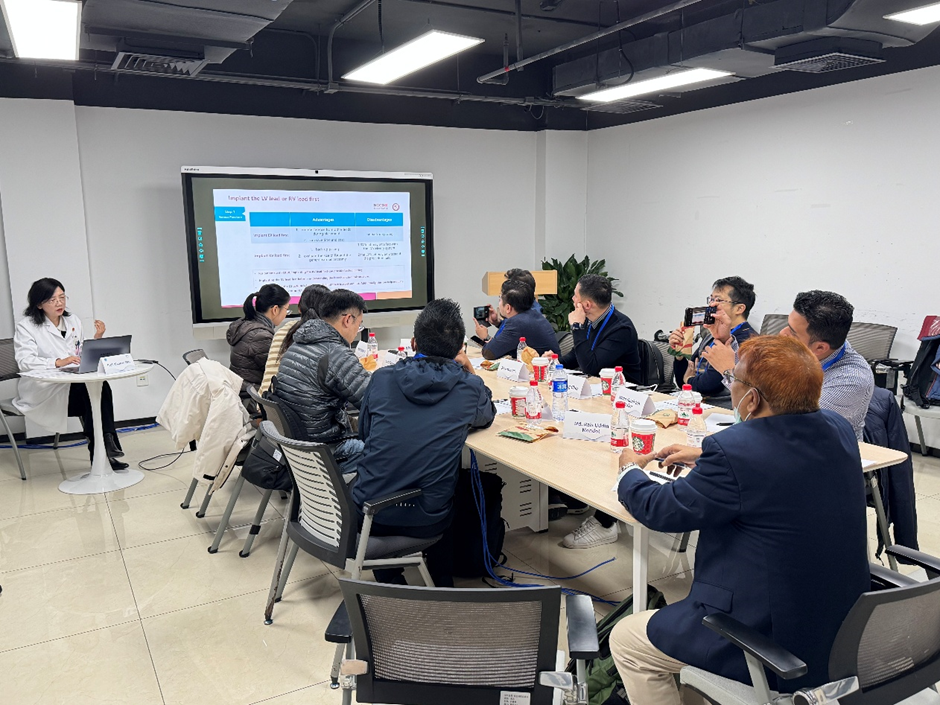
The morning sessions addressed critical points across the procedural cycle, encompassing CIED device selection, perioperative management, and implantation techniques. Professor Fan Xiaohan delivered the opening lecture, providing a systematic overview of the “CRT Implantation Workflow.” She meticulously broke down procedural strategies, including catheter selection, radiographic assessment of lead positioning, and the mechanical principles of lead fixation. Her logical and analytical presentation deconstructed a complex procedure into standardized, learnable steps. This foundational session established a solid theoretical framework for the advanced learning and hands-on exercises to follow, ensuring all participants started on the right track.
Dr. Zhu Haojie followed with presentations on “Device Selection: CRT-P vs. CRT-D” and “Standardized Protocols for CRT and CSP in Animal Models”. On device selection, Dr. Zhu focused on key factors for individualized care, such as patient risk assessment and heart failure phenotypes. Through a comparative analysis of major clinical trials, he elucidated optimal strategies for various clinical scenarios. In the animal model section, he detailed crucial anatomical differences between animal and human hearts, strengthening the theoretical basis required for precise lead placement during the subsequent practical lab sessions. His rigorous, evidence-based presentation transformed complex decision-making into clear guidelines, providing trainees with robust theoretical support and a reliable framework for future clinical practice.
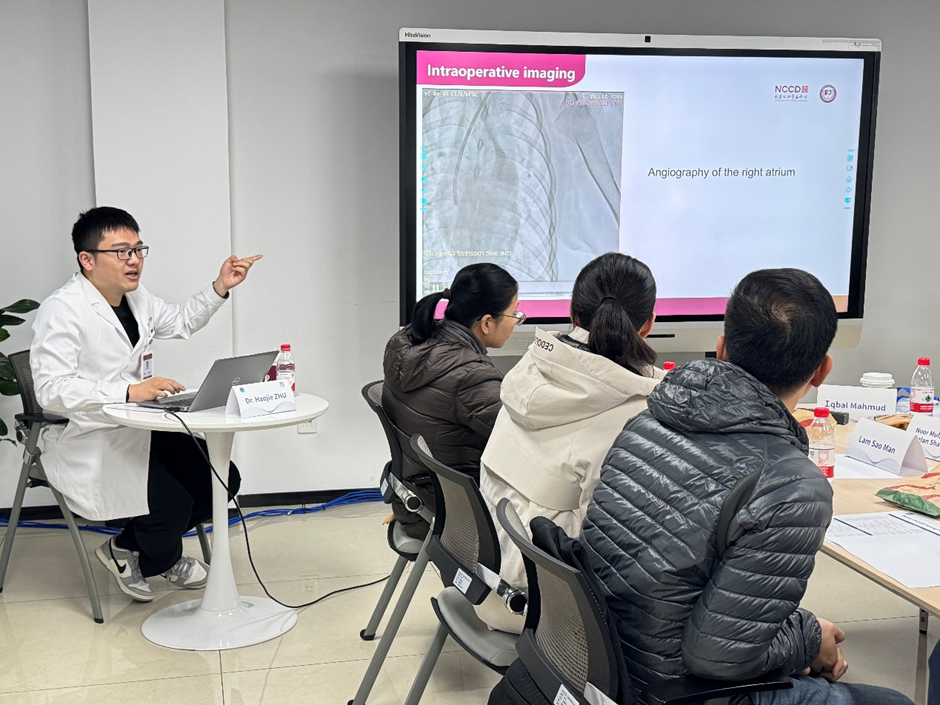
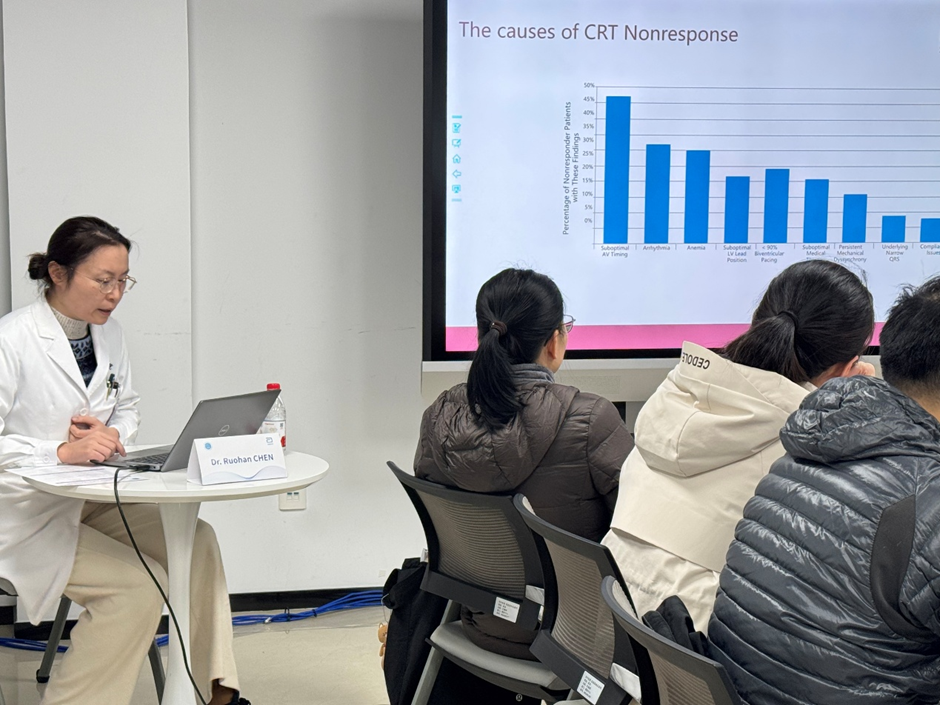
Subsequently, during the session on “Preoperative and Intraoperative CRT Optimization Strategies,” Professor Chen Ruohan utilized extensive real-world procedural footage to provide a detailed analysis of key technical aspects, including QRS waveform optimization and interval parameter adjustments.
Case Deconstruction and Intellectual Exchange: In-Depth Analysis of Typical Cases
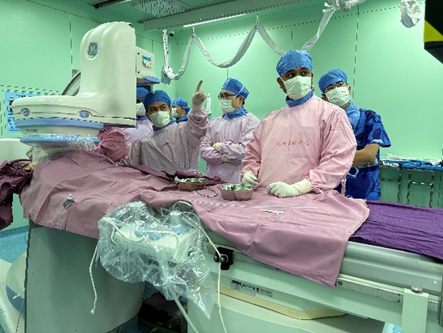
On the afternoon of November 24, to ensure close alignment with clinical practice, the program featured three highly representative live procedure demonstrations. These comprised two typical CRT cases and one Stylet-Driven Lead (SDL) left bundle branch pacing procedure. The cases showcased a comprehensive technical spectrum: “CRT-D upgrade for heart failure following dual-chamber ICD implantation,” “CRT for heart failure with left bundle branch block,” and “left bundle branch pacing lead implantation.” This selection covered three core clinical scenarios: system upgrades, de novo implantation, and precision therapy.
Professors Fan Xiaohan and Liu Zhimin served as procedural instructors. Leveraging their exceptional expertise and extensive experience, they delivered comprehensive live demonstrations covering everything from puncture site selection and precise lead positioning to strategies for managing complex complications. Attendees remained fully engaged, interacting actively and sparking in-depth discussions at every critical procedural step. The atmosphere was charged with intellectual exchange, and the collision of diverse academic perspectives generated valuable insights, significantly deepening the participants’ understanding of CRT and CSP technologies.
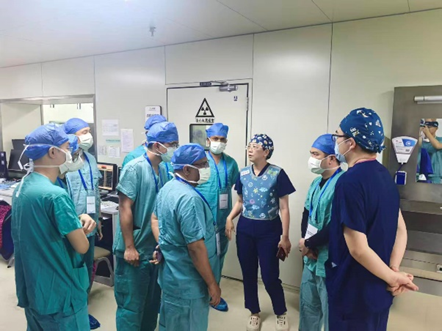
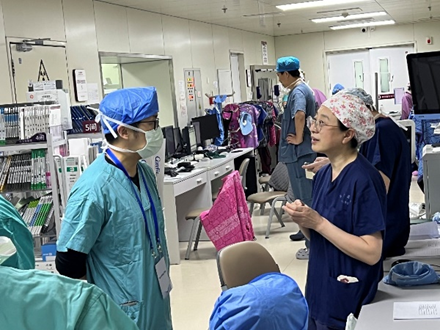
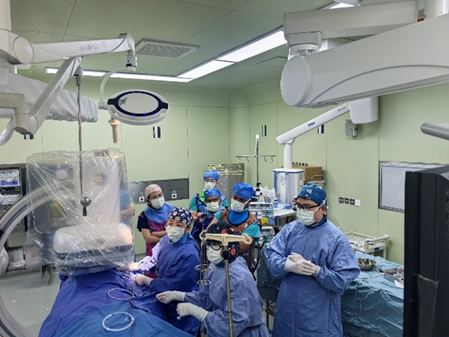
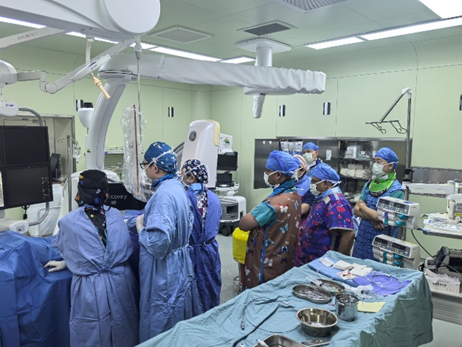
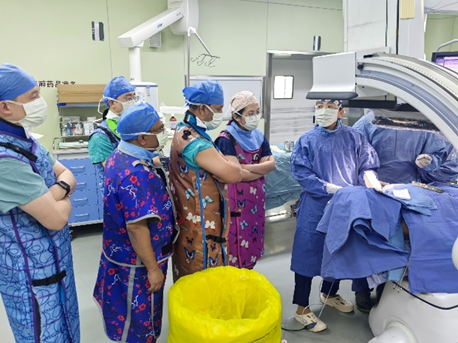
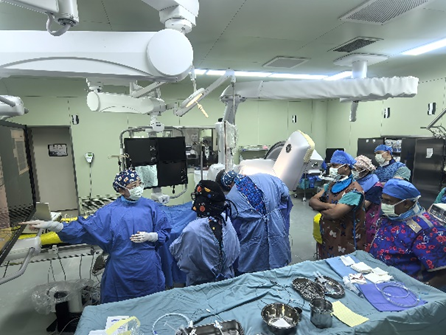
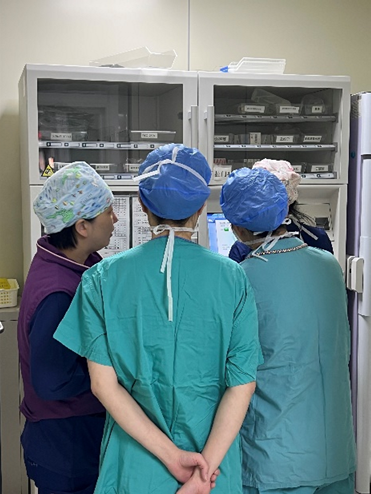
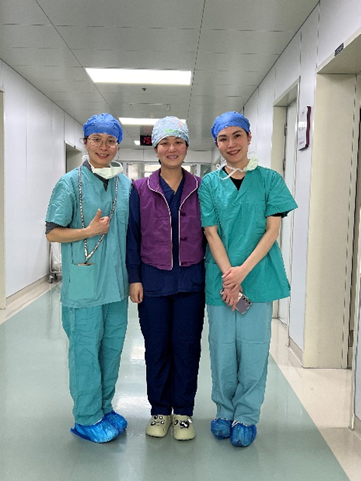
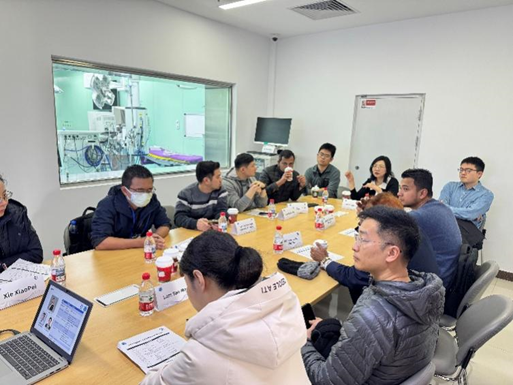
During the training, the Head Nurse from Kiang Wu Hospital, Macau, engaged in a targeted exchange with Ms. Ma Yushan, Head Nurse of the Catheterization Laboratory at Fuwai Hospital. The dialogue focused on learning from Fuwai Hospital's established expertise in cath lab construction, specialized nursing, and operational management.
Quality and Safety Control: They systematically reviewed core protocols such as perioperative complication prevention, sterile techniques, infection control, and emergency contingency planning to reinforce medical safety foundations.
Operational Efficiency: Discussions covered standardized procedural coordination workflows, lifecycle management of high-value consumables and precision equipment, and strategies to enhance emergency response efficiency.
Team Building & Talent Development: The exchange highlighted tiered training systems for specialized nurses, skill enhancement mechanisms, and multidisciplinary collaboration models to boost team efficacy.
Human-Centric Care: Practical experiences were shared regarding personalized preoperative education, postoperative rehabilitation guidance, and holistic care services.
Through this precise benchmarking and mutual learning, the initiative aims to standardize catheterization laboratory development and elevate the quality of cardiovascular nursing in both regions.
Refining Skills through Practice: Unifying Knowledge and Action in the Animal Laboratory
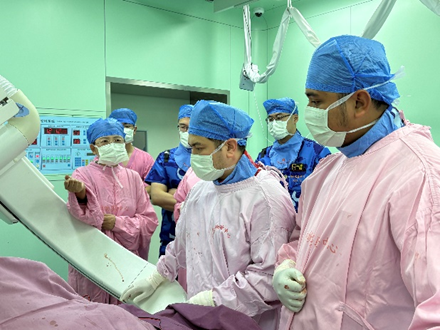
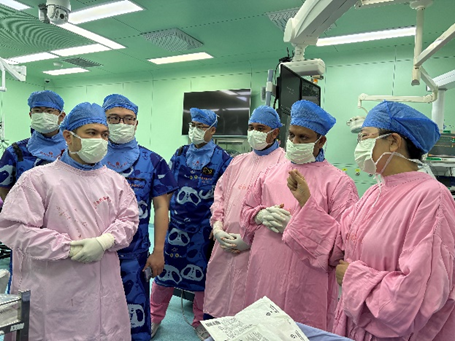
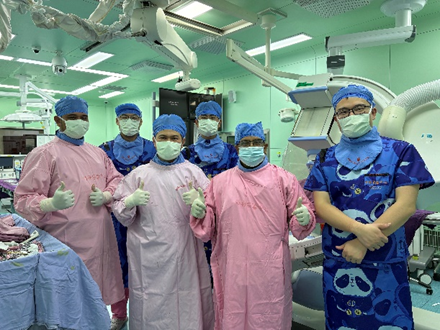
On November 25, the training advanced to the crucial stage of hands-on animal experimentation. Professor Fan Xiaohan oversaw the entire session, while frontline experts—including Dr. Li Xiaofei, Dr. Zhu Haojie, and Dr. Zhu Kailun—provided small-group mentorship. They offered personalized feedback and technical guidance to each trainee, focusing on procedural techniques, guidewire manipulation, and sheath positioning. By refining their skills in a realistic operative environment, the participating physicians gained an immersive experience that significantly enhanced their clinical judgment and ability to manage intraoperative emergencies. This session provided a strong foundation for their future clinical work and preparedness to handle unexpected complications.
Empowerment through Research, Leadership through Unity: Pioneering a New Ecosystem for Standardized CRT/CSP Training
Centered on the principle of “In-depth Theory plus Practical Empowerment,” this year's program broke through the limitations of traditional training models to establish a comprehensive, systematic, and practical educational framework. The curriculum was tightly aligned with core clinical needs, covering foundational modules like precise indication screening, standardized procedural workflows, perioperative management, and long-term follow-up. It was further enriched by distinct segments such as hot-topic seminars, case reviews, and intensive skill drills. This integrated approach helped trainees solidify their theoretical foundation while enhancing clinical decision-making and practical capabilities.
In her closing remarks, Professor Fan Xiaohan noted, “As core device therapies for improving heart failure prognosis, CRT and CSP are gaining new vitality through deepening clinical research. We must not only transmit mature techniques and cutting-edge concepts through standardized training but also build a platform for mutual learning. By inspiring young doctors’ passion for clinical reasoning and technical exploration, we aim to channel high-quality medical resources to broader levels. This will drive the standardized, consistent, and high-quality development of cardiac pacing therapies, ultimately ensuring more patients benefit from technological advancements.”
Collaborative Progress and Professional Leadership: The International CRT/CSP Training Concludes Successfully
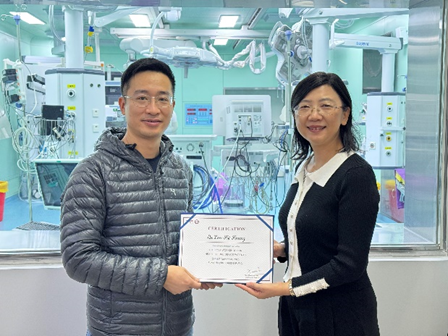
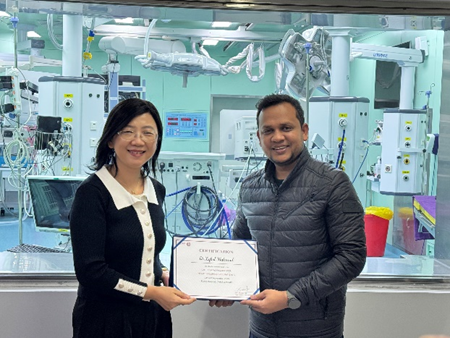
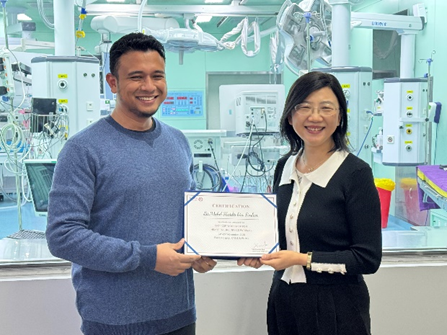
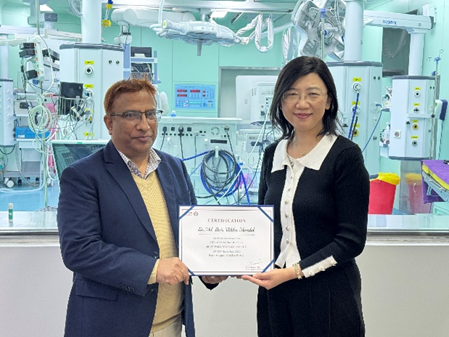
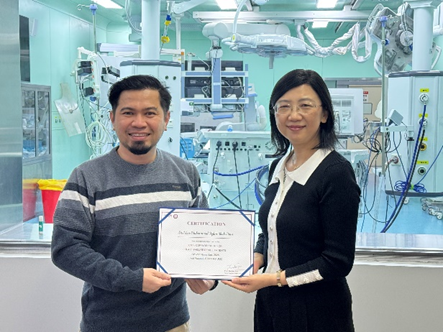
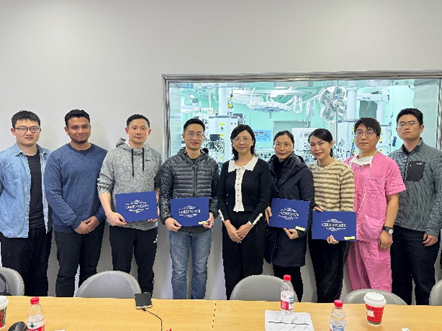
Thanks to the meticulous organization by Professor Fan Xiaohan’s team at Fuwai Hospital, the “Beijing CRT/CSP Training Program” concluded successfully. Through theoretical lectures and practical drills, young physicians from China and abroad achieved precise enhancements in their diagnostic and therapeutic skills, further solidifying bridges for cross-border academic exchange.
As the core leaders, Professor Fan and her team injected vital energy into the training, leveraging their profound expertise and extensive clinical experience in physiological pacing and CRT/CSP. Moving forward, under Professor Fan’s leadership, the team will continue to optimize the training system. By empowering global medical talent with refined content and diverse teaching formats, they aim to promote the standardized application and innovative development of these technologies, bringing the benefits of high-quality medical care to more patients worldwide.
We look forward to the next event!________________________________________
Please cite the source if reposting.
Planning: Heart Rhythm Treatment Training Group | Text: Publicity Department | Review: Project Expert Group